Oral Hygiene
Why Is Oral Hygiene Important?
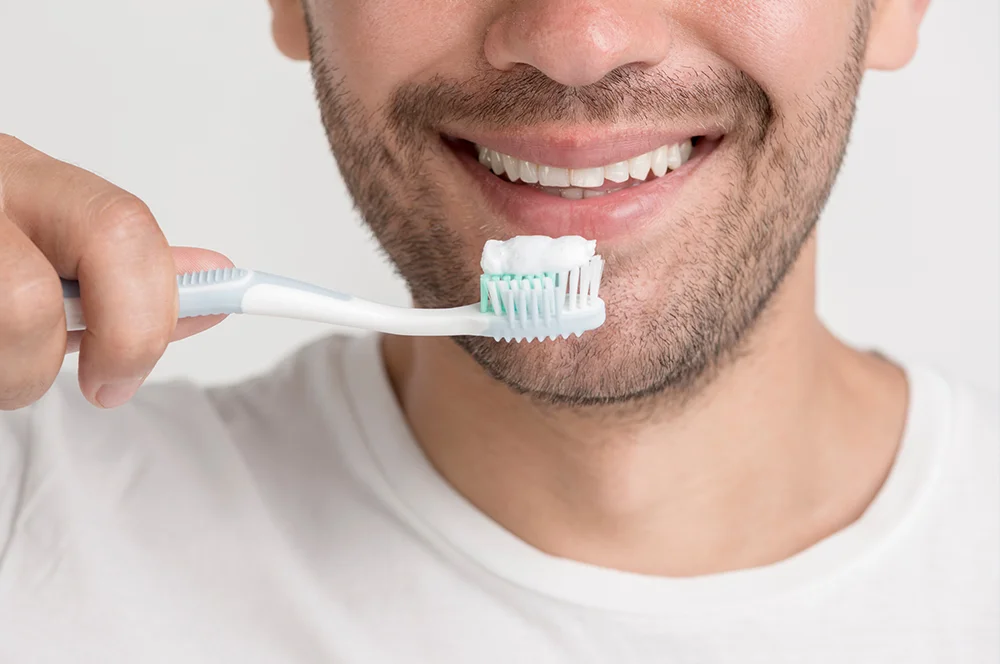
Good oral hygiene is the foundation of a healthy smile. Brushing, flossing, and regular dental visits help remove plaque and bacteria that can lead to cavities, gum disease, bad breath, and other oral health concerns. Consistent care keeps your teeth and gums strong while supporting your overall well-being.
Plaque naturally forms on teeth every day and, if left untreated, can harden into tartar and contribute to dental problems. By brushing twice daily, flossing regularly, and scheduling routine dental cleanings, you can maintain a cleaner, healthier mouth and reduce the risk of future dental issues.
Caring for Sensitive Teeth
Sensitive teeth can cause discomfort when consuming hot, cold, sweet, or acidic foods and drinks. This sensitivity may result from enamel wear, gum recession, cavities, or recent dental treatments. Proper oral care can help reduce discomfort and protect your teeth from further sensitivity.
Using a soft-bristled toothbrush, brushing gently, flossing daily, and choosing toothpaste formulated for sensitive teeth can help manage symptoms. Limiting highly acidic foods and drinks may also help reduce irritation and protect enamel.
If tooth sensitivity persists or worsens, a dental examination can help identify the underlying cause and determine the most effective treatment to keep your smile healthy and comfortable.
Choosing the Right Oral Hygiene Products
Selecting the right oral hygiene products can make a big difference in maintaining healthy teeth and gums. Fluoride toothpaste, soft-bristled toothbrushes, and dental floss are essential tools that help remove plaque and protect against cavities and gum disease.
Additional products such as electric toothbrushes, interdental brushes, and antibacterial mouth rinses can help clean hard-to-reach areas and support better overall oral health. Your dentist can recommend products that best fit your specific dental needs.
For optimal results, combine quality oral care products with consistent brushing, flossing, and regular dental checkups to keep your smile healthy and strong.
Oral Hygiene FAQs
Oral hygiene refers to the daily practices that keep your teeth, gums, and mouth healthy, including brushing, flossing, and regular dental checkups.
Good oral hygiene helps prevent cavities, gum disease, bad breath, tooth loss, and other oral health issues while supporting overall health and well-being.
Dentists recommend brushing your teeth at least twice a day for two minutes each time using a fluoride toothpaste.
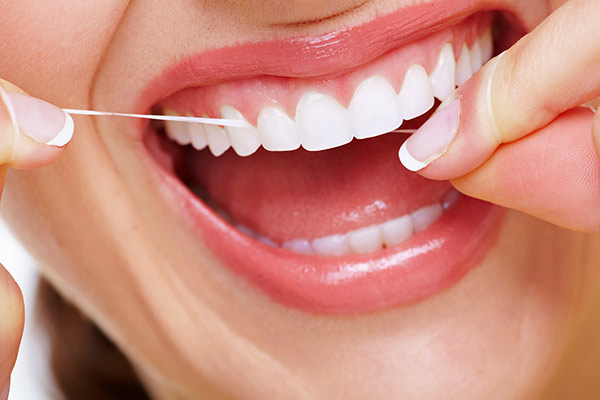
You should floss at least once a day to remove plaque and food particles from between your teeth and along the gumline.
Common signs include bad breath, bleeding gums, tooth sensitivity, plaque buildup, cavities, gum recession, and loose teeth.
Yes. Poor oral hygiene has been linked to health conditions such as heart disease, diabetes, and other systemic illnesses. Maintaining healthy teeth and gums is an important part of your overall well-being.
Brush twice daily with fluoride toothpaste, floss every day, limit sugary foods and drinks, drink plenty of water, and visit your dentist regularly for professional cleanings and preventive care.
Absolutely. Teaching children to brush and floss properly from an early age helps prevent cavities, promotes healthy development, and establishes lifelong oral health habits.
A soft-bristled toothbrush, fluoride toothpaste, dental floss or interdental brushes, and an antimicrobial mouthwash (if recommended by your dentist) are excellent tools for maintaining a healthy smile. Your dentist can recommend products based on your individual needs.