Tooth Extractions
Tooth Extractions
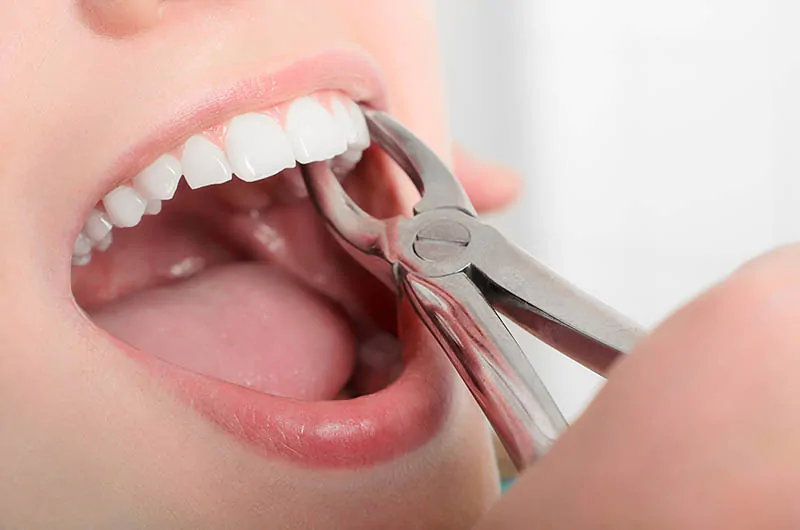
Tooth extraction may be necessary when a tooth is badly damaged, infected, decayed, or creating overcrowding. Our skilled dental team performs gentle and effective extractions to help maintain your oral health and avoid future dental concerns.
Extractions are often recommended for impacted wisdom teeth, severe gum disease, fractured teeth, or as part of orthodontic treatment planning. We thoroughly assess your condition and explain all available options before proceeding with any extraction treatment.
After Tooth Extraction Care
Choose soft foods, drink plenty of water, and maintain gentle oral hygiene while recovering. Contact your dentist if you experience severe pain, excessive bleeding, or unusual swelling.
Tooth Sectioning Procedure
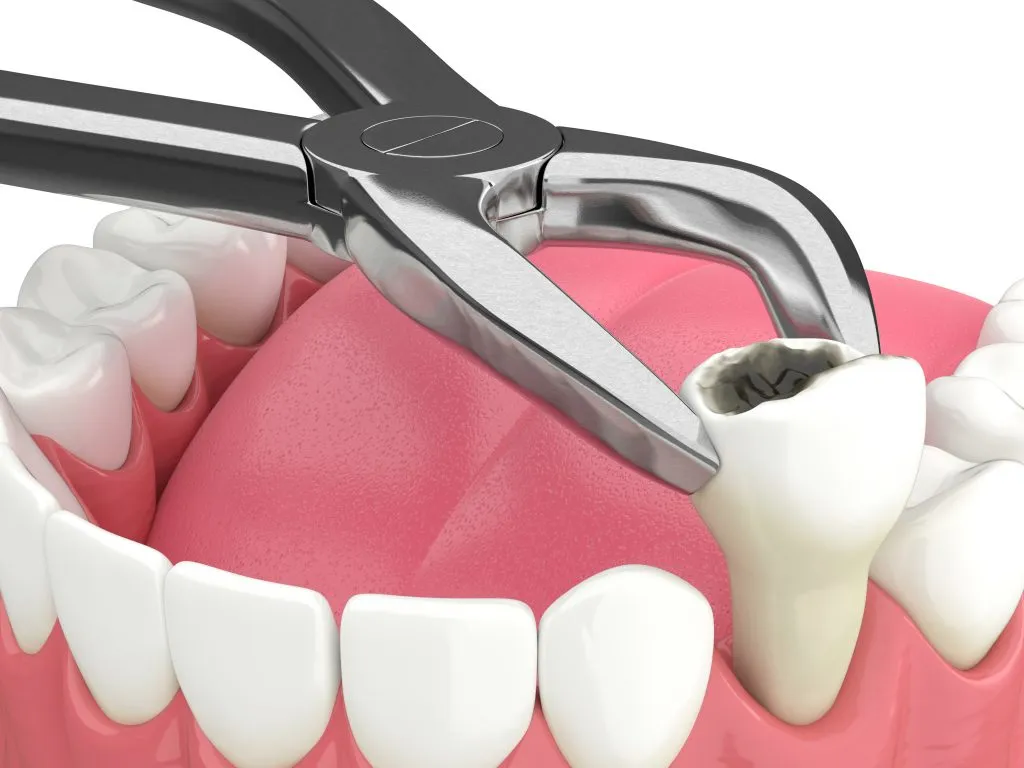
In certain extraction cases, a tooth may be divided into smaller sections to allow for safer and more efficient removal. This technique is often recommended for teeth with complex root structures, significant damage, or those that are firmly embedded in the jawbone.
During the procedure, the dentist carefully separates the tooth into manageable pieces, reducing stress on the surrounding bone and gum tissue. This approach helps improve precision, enhances patient comfort, and supports a smoother extraction process.
Sectioning a Tooth
In some situations, a tooth may need to be divided into smaller sections to allow for a safer and more comfortable extraction. This technique is often recommended for teeth with curved roots, extensive damage, or strong attachment to the jawbone. Sectioning the tooth helps reduce stress on surrounding tissues and supports a more precise removal process.
The Tooth Extraction Process
During a tooth extraction, local anesthesia is administered to numb the area and ensure your comfort throughout the procedure. While you may feel slight pressure, the treatment itself should not be painful.
Our dental team uses gentle and proven techniques to loosen and remove the tooth as efficiently as possible. When necessary, tooth sectioning may be performed to simplify removal and minimize trauma to nearby structures.
Following the extraction, we provide personalized aftercare instructions to promote proper healing, enhance comfort, and help prevent complications.
FAQs – Tooth Extractions
A tooth extraction may be recommended for severe decay, advanced gum disease, a damaged tooth beyond repair, overcrowding, or impacted wisdom teeth.
No. Local anesthesia is used to numb the area, ensuring a comfortable procedure. You may feel some pressure, but not pain during the extraction.
Most patients recover within a few days to a week. Following your dentist’s aftercare instructions can help promote faster healing.
Rest, avoid strenuous activity, eat soft foods, avoid smoking, and follow all post-operative instructions provided by your dentist.Can I eat after having a tooth extracted?
Yes, but stick to soft foods such as yogurt, soup, mashed potatoes, and smoothies for the first few days after treatment.
A dry socket occurs when the protective blood clot at the extraction site becomes dislodged before the area heals. You can reduce your risk by avoiding smoking, drinking through straws, vigorous rinsing, and strenuous activity during the first few days after your extraction.
Yes. Depending on your oral health, your dentist may recommend a dental implant, bridge, or denture to restore your smile, improve chewing function, and prevent nearby teeth from shifting.
Not always. Simple extractions often do not require stitches, while surgical extractions or more complex procedures may require dissolvable sutures to help the area heal properly.
If you receive only local anesthesia, you can usually drive yourself home. However, if you receive sedation, you will need someone to drive you home after your appointment.
Coverage under the Canadian Dental Care Plan (CDCP) depends on your eligibility and approved benefits. Our team can help verify your coverage, explain your benefits, and review any out-of-pocket costs before your treatment.