Dental Sealants in Vancouver, BC
Protect your teeth from cavities with quick, painless dental sealants that shield molars from plaque and decay.
Protect your teeth from cavities with quick, painless dental sealants that shield molars from plaque and decay.
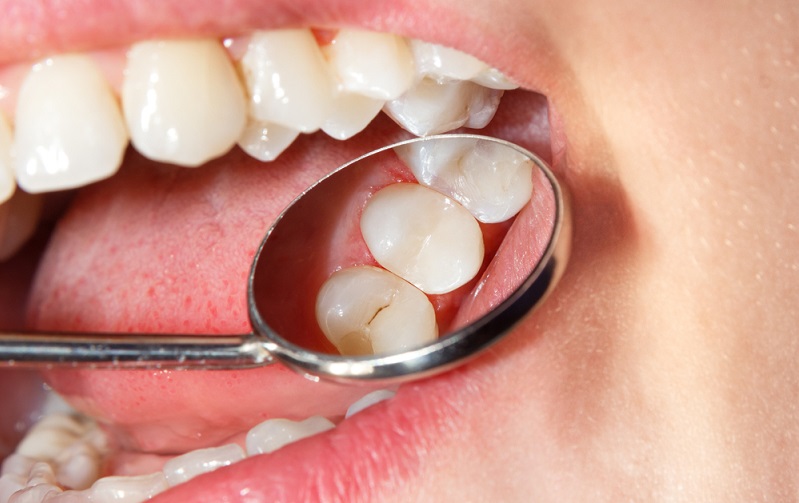
Even with excellent brushing and flossing habits, the deep grooves on your back teeth can trap food particles and bacteria that are difficult to remove. Dental sealants provide an extra layer of protection by sealing these vulnerable areas, helping to prevent cavities before they start.
At Pacific Signature Dental, we offer dental sealants for both children and adults who are at a higher risk of tooth decay. This quick, painless preventive treatment can help preserve healthy teeth and reduce the need for future dental restorations.
Dental sealants are an excellent option for:
Our dentists will evaluate your oral health and recommend whether dental sealants are the right solution for your smile.
Dental sealants offer many advantages for maintaining healthy teeth, including:
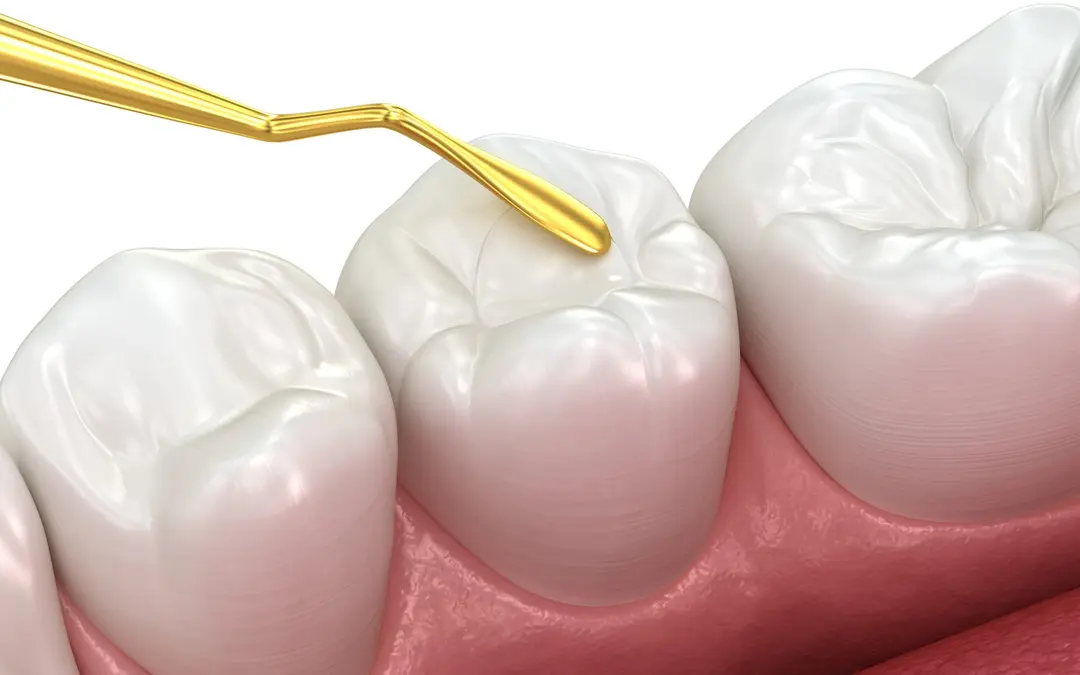
Applying dental sealants is a simple procedure that usually takes only a few minutes per tooth.
The tooth is thoroughly cleaned to remove plaque and debris.
A special curing light hardens the sealant, creating a durable protective shield that immediately begins defending the tooth against decay.
The entire process is comfortable, requires no drilling or injections, and allows you to return to your normal routine right away.
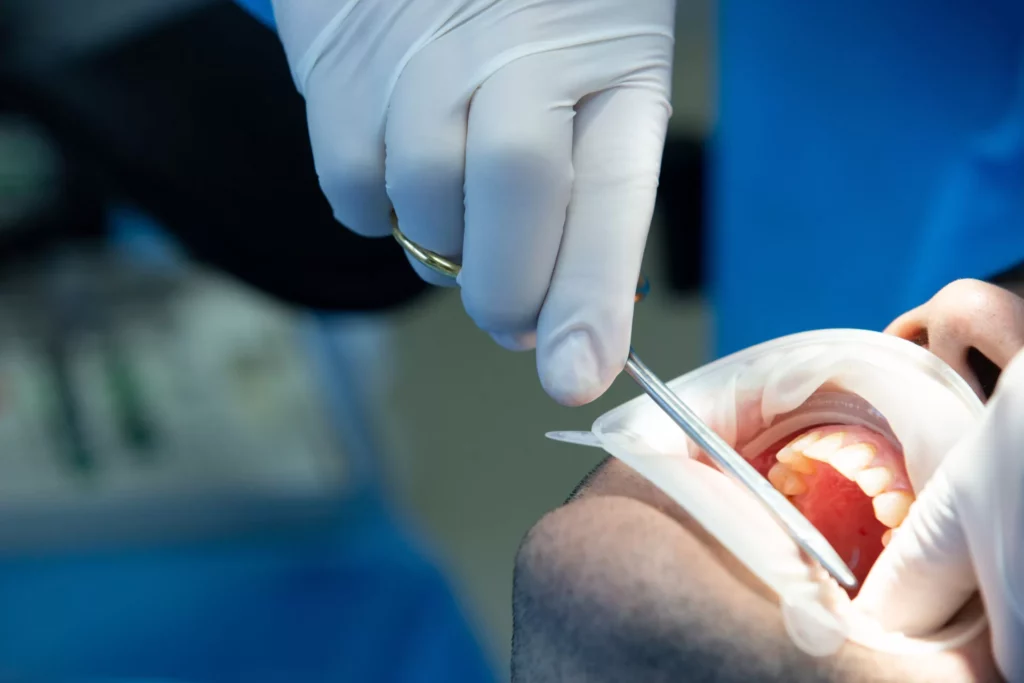
With proper oral hygiene and regular dental checkups, dental sealants can protect your teeth for several years. During your routine visits, our team will examine the sealants to ensure they remain intact and can easily repair or replace them if necessary.
Maintaining your sealants is simple. We recommend:
Good oral hygiene helps maximise the lifespan of your sealants while keeping your smile healthy.
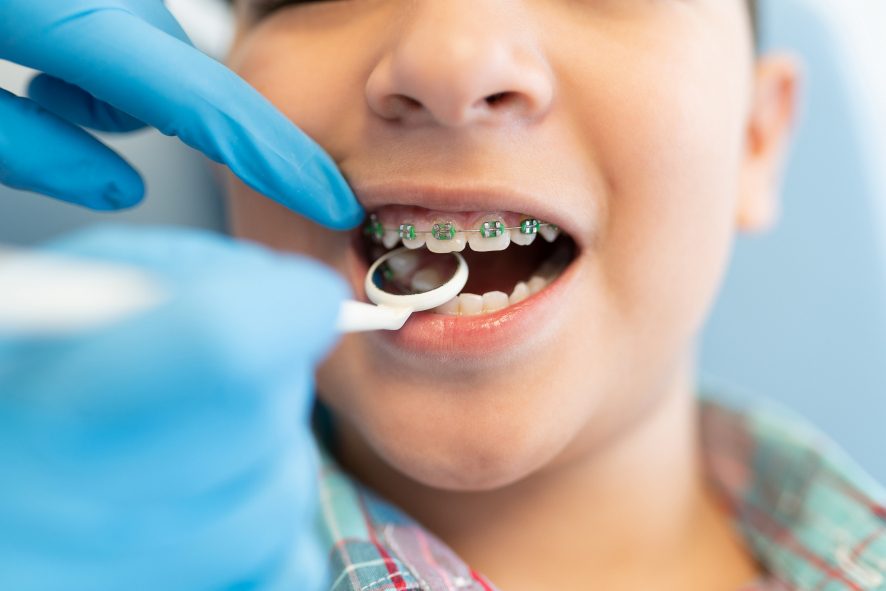
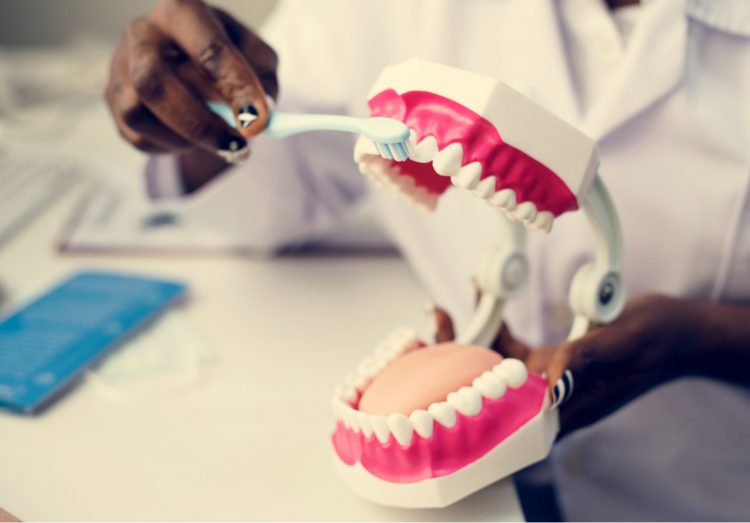
At Pacific Signature Dental, prevention is at the heart of everything we do. Our experienced dental team provides personalised preventive care using modern techniques and a gentle approach to help patients of all ages maintain healthy smiles.
When you choose our practice, you’ll benefit from:
No. While children and teenagers benefit greatly from sealants, adults with healthy molars and deep grooves can also receive them to reduce the risk of cavities.
Not at all. Applying sealants is completely painless and does not require drilling, injections, or removal of tooth structure.
Most sealant appointments can be completed in a single visit, with each tooth taking only a few minutes to treat.
Yes. Once the sealant has hardened, you can eat and drink normally unless your dentist provides different instructions.
No. Sealants are an additional preventive measure. Daily brushing, flossing, and routine dental visits remain essential for maintaining good oral health.
Your dentist will check your sealants during regular examinations. If any wear or damage is detected, they can usually be repaired or replaced quickly.