Deep Teeth Cleaning in Vancouver, BC

Stop Gum Disease Before It Progresses
Healthy gums are the foundation of a healthy smile. If you’ve noticed bleeding gums, persistent bad breath, gum tenderness, or gum recession, you may benefit from professional deep teeth cleaning. At Pacific Signature Dental, we provide gentle scaling and root planing treatments that remove harmful bacteria from beneath the gumline, helping to restore your gum health and protect your natural teeth.
Our experienced dental team uses advanced techniques and modern technology to ensure every treatment is comfortable, effective, and tailored to your unique oral health needs. Whether you’re experiencing early signs of gum disease or require periodontal therapy, we’re here to help you achieve a healthier smile.
What Is Deep Teeth Cleaning?
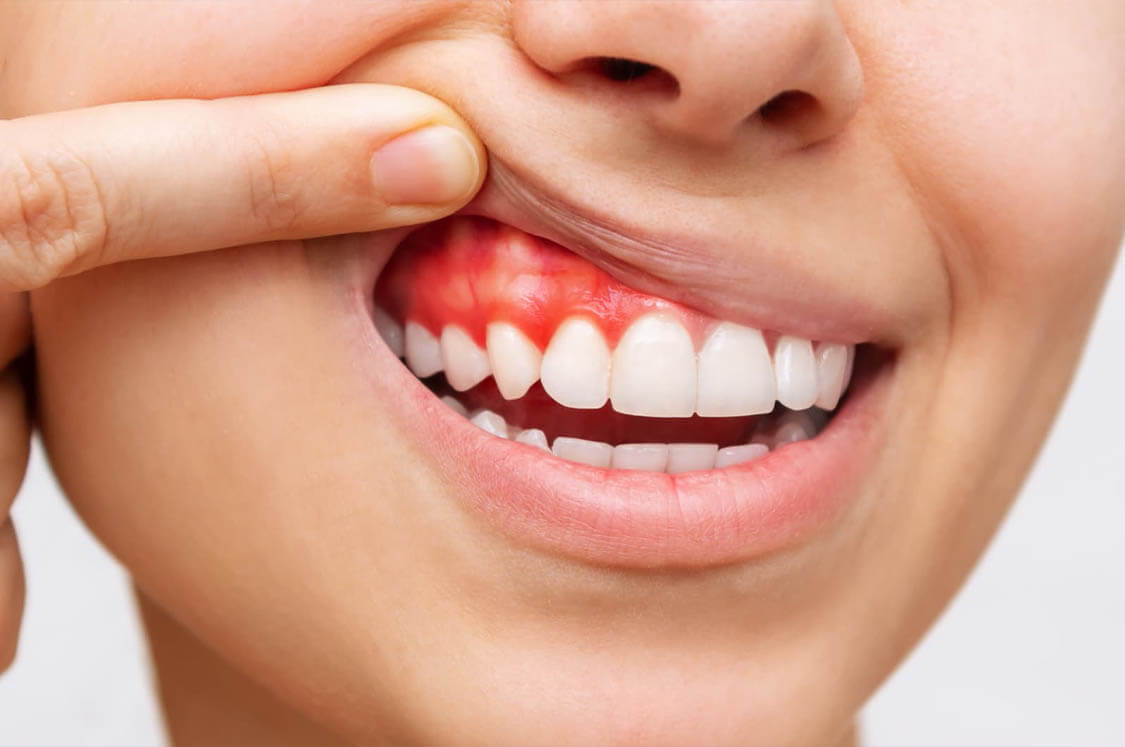
Signs You May Need Deep Teeth Cleaning
Your dentist may recommend deep cleaning if you have:
- Bleeding gums while brushing or flossing
- Red, swollen, or tender gums
- Persistent bad breath
- Gum recession
- Deep periodontal pockets
- Loose teeth caused by gum disease
- Heavy tartar buildup below the gumline
- Early or moderate periodontal disease
Early treatment can prevent more serious dental problems and reduce the need for surgical gum procedures later.
Our Deep Teeth Cleaning Process
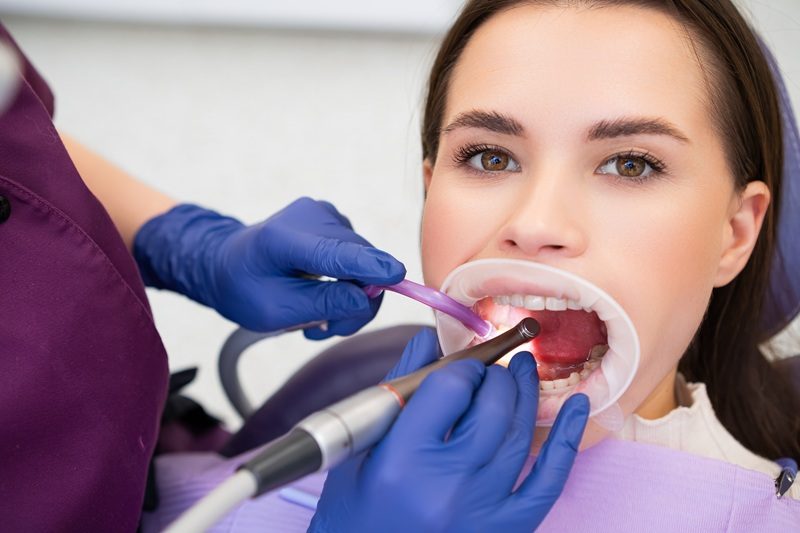
Comprehensive Examination: Your visit begins with a complete periodontal assessment. We examine your gums, measure pocket depths, and take digital X-rays when necessary to determine the extent of gum disease.
Scaling: Using specialised instruments and ultrasonic technology, we gently remove plaque, tartar, and bacteria from above and below the gumline.
Root Planing: The exposed root surfaces are carefully smoothed to discourage future bacterial buildup and promote proper gum healing.
Comfortable Treatment: For your comfort, local anaesthetic may be used during treatment. Depending on the severity of your condition, treatment may be completed in one or multiple appointments.
Ongoing Periodontal Maintenance: Regular maintenance visits are essential after deep cleaning. Our team will recommend a personalised cleaning schedule and provide home-care instructions to help keep your gums healthy.
Benefits of Deep Teeth Cleaning
Scaling and root planing provides numerous benefits for your oral health, including:
- Removes plaque and tartar beneath the gums
- Eliminates harmful bacteria responsible for gum infections
- Reduces gum inflammation and bleeding
- Helps prevent tooth and bone loss
- Encourages healthy gum reattachment
- Improves overall oral hygiene
- Freshens breath
- Supports long-term periodontal health
- Helps preserve your natural teeth
Caring for Your Gums After Treatment
Following your deep cleaning, you may experience mild sensitivity for a short time. To support healing, we recommend:
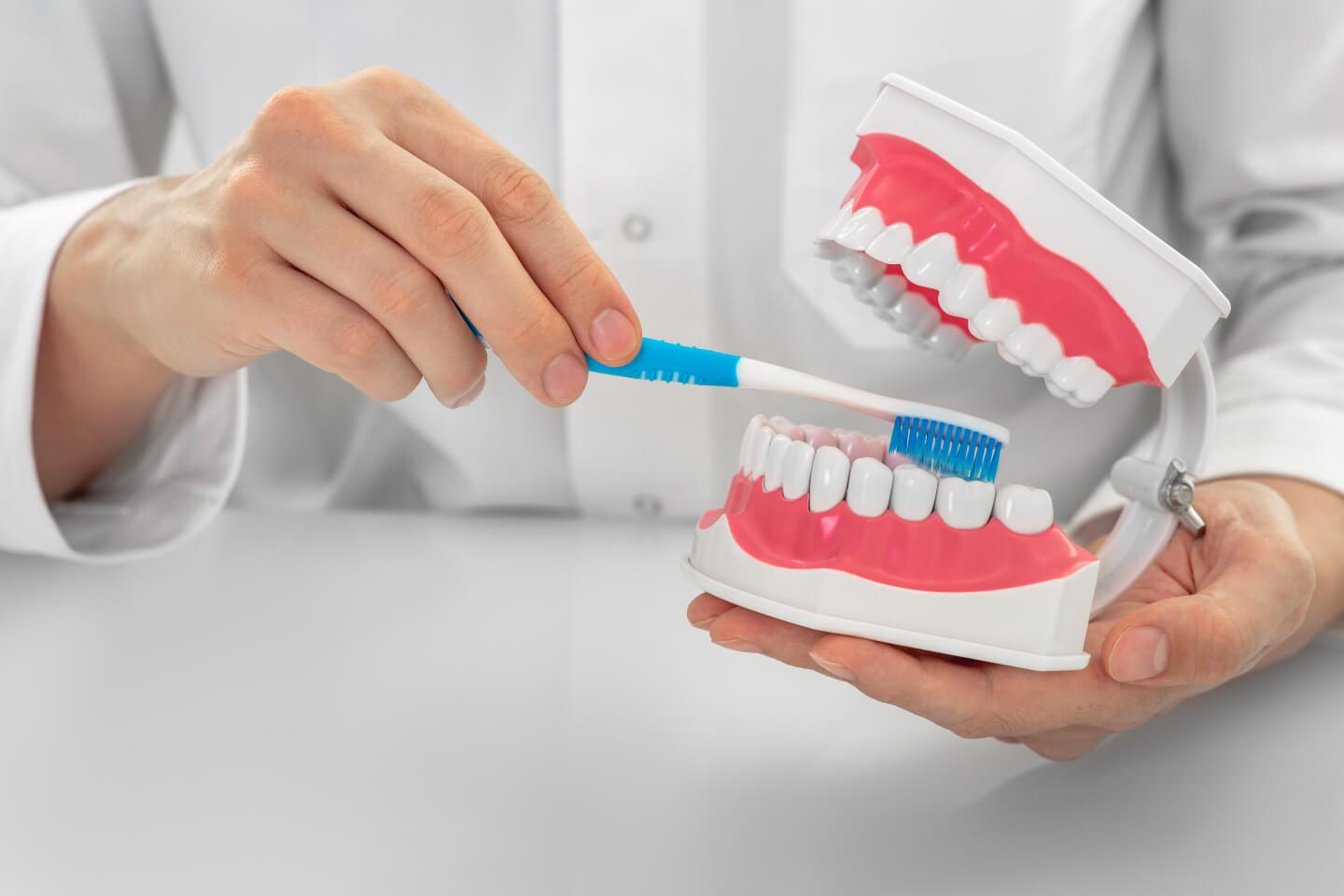
- Brush gently using a soft-bristled toothbrush
- Floss daily as instructed
- Use any prescribed antimicrobial mouth rinse
- Avoid smoking while your gums heal
- Maintain regular periodontal maintenance appointments
- Follow a consistent oral hygiene routine at home
Proper aftercare significantly improves treatment success and helps prevent future gum disease.
Why Choose Pacific Signature Dental?
At Pacific Signature Dental, we believe preventive care is the key to lifelong oral health. Our compassionate team provides personalised periodontal treatment in a welcoming environment, using advanced technology to deliver precise and comfortable care.
- Experienced and caring dental professionals
- Gentle treatment techniques
- Modern dental technology
- Personalised treatment plans
- Comfortable, patient-focused care
- Convenient appointment scheduling

Schedule Your Deep Teeth Cleaning in Vancouver
Deep Teeth Cleaning FAQs
A routine cleaning removes plaque and tartar from above the gumline to maintain oral health. Deep teeth cleaning removes bacteria and hardened deposits below the gums to treat periodontal disease.
Most patients experience minimal discomfort. Local anaesthetic is available to ensure the procedure is as comfortable as possible.
Most people return to their normal routine within a day. Mild soreness or sensitivity usually improves within a few days.
Treatment time depends on the severity of gum disease and the number of areas being treated. Some patients require one appointment, while others benefit from multiple visits.
Deep cleaning helps control gum disease by removing harmful bacteria and allowing the gums to heal. Ongoing oral hygiene and regular periodontal maintenance are essential for long-term success.
Your dentist will recommend a maintenance schedule based on your oral health, often every three to four months for patients with a history of gum disease.